Reports

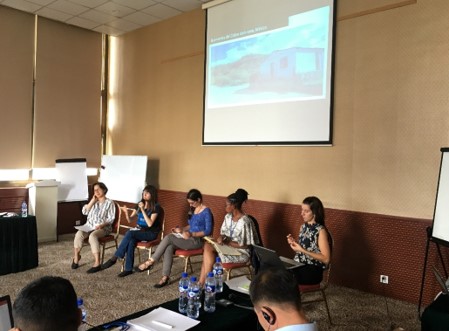
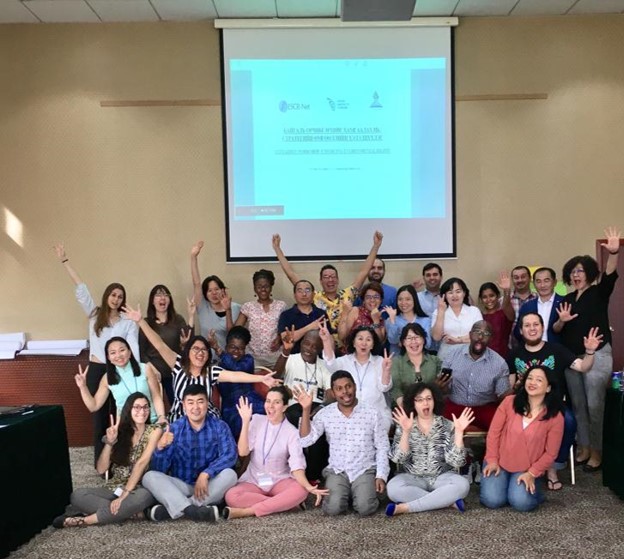
Overview: From 11-14 June 2019, in Ulaanbaatar, Mongolia, the Centre for Human Rights and Development (CHRD), and their partner the Open Society Forum, co-organized with the Strategic Litigation Working Group (SLWG) of ESCR-Net a strategic litigation workshop entitled “Enforcing Environmental Rights.” Over two dozen litigators and other human rights advocates from organizations in Africa, Asia, Europe, Latin America and the Middle East attended.
This workshop was the first of a series envisioned by the SLWG to bring together human rights litigators, other advocates and movement leaders to analyze and strategize about existing casework, jurisprudence, and legal openings concerning themes prioritized by network members and responsive to the global ESCR challenges described in the network’s social movement-derived Common Charter for Collective Struggle. These systemic challenges include impoverishment and dispossession amid abundance; corporate capture of the state; deepening inequality; degradation of ecosystems and a changing climate; and growing repression of human rights defenders.
The primary aims of the Ulaanbaatar workshop were to:
- Consider key linkages between human rights and the environment;
- Enable confidential strategic exchange and legal problem-solving;
- Analyze structural factors producing environmental human rights violations; and
- Lay the foundation for solidarity and collective action in the future.
 The workshop contained participants from Mongolia and around the world, including: Akhona Mehlo (Centre for Applied Legal Studies at Witwatersrand University); Amgalanbayar Lkhagvasuren (Bugat Zaamar Burgast Tuul); Arnold Kwesiga (Initiative for Social and Economic Rights); Bayarmaa Byambasuren (Patrons of the Lake Khuvsgul); Binota Moy Dhamai (Asia Indigenous Peoples Pact); Cannelle Lavite (European Center for Constitutional and Human Rights); Dashdemberel Ganbold (environmental attorney); Fernando Delgado (ESCR-Net); Gantsogt Dashnamjil (Khalkhgol Numrug Basin Protection Movement); Giogi Antadze (Georgian Young Lawyers’ Association); Guillermo Torres (Proyecto Derechos Economicos, Sociales y Culturales); Jhenifer Mojica Florez (Comisión Colombiana de Juristas); Joie Chowdhury (ESCR-Net); Kranti LC (Human Rights Law Network); Letícia Aleixo (Conectas); Manja Bayang (Tebtebba Foundation, Indigenous Peoples’ Centre for Policy Research and Education); Marcel Didier von der Hundt (Observatorio Ciudadano); Nasanga Aki (Kenya Human Rights Commission); Oyun Sonompil (environmental attorney); Patrick Chiekwe (Foundation for the Conservation of the Earth); R. Ulziitsetseg (Committee on Lawyers Public Benefit Activities of the Mongolian Bar Association); Ruth Stephani Panjaitan (International Commission of Jurists); Salma Karmi-Ayyoub (Al-Haq); Urantsooj Gombosuren (Centre for Human Rights and Development); Victoria Beltrán (Project on Organizing, Development, Education and Research); and Youngah Park (Minjusahoereul wihan Byeonhosamoim). Strategic exchange with the Mongolian participants enabled participants from other regions to learn from and ground discussion in the local context. Day one of the workshop also included numerous Mongolian civil society representatives and administrative court judges. It opened with remarks by Khunan Jargalsaikhan, President of the Mongolian Bar Association, and contained research presentations by Munkhzul Ravdandorj, reseacher. Environmental lawyer Jargalsaikhan Shagdar and Monglian Bar Association member J. Erkhembaatar also presented on Day 1.
Workshop structure
Four intersecting strands of exchange were present at the workshop:
- Case presentations grouped by themes drawn from participants’ casework (e.g. environmental litigation against corporate actors; free, prior, and informed consent; and environmental human rights defenders);
- Strategic exchange on critical perspectives relating to economic, social, cultural, and environmental rights litigation, for example, regarding access to justice, the role of court-based strategies in structural change, developing/transforming norms, leveraging litigation, and securing implementation;
- Consideration of opportunities for collective or mutually reinforcing work; and
- Grounding technical and strategic discussions from national, regional, and international contexts in the concrete legal and political realities confronting civil society and human rights lawyers in Mongolia.
The workshop was interpreted, and key materials were translated, to and from English, Mongolian, and Spanish.